Who this is for: Anyone shopping for a used car in Mesa, Gilbert, or Chandler who wants to avoid buying somebody else’s problem.
Key Takeaways
- A full exterior, interior, and mechanical check catches most red flags before you sign anything
- Oil condition is one of the fastest ways to tell how a car was actually treated, not just how it was marketed
- A vehicle history report backs up what your eyes and nose already tell you
- Some issues (paint mismatch, fluid smell, uneven tire wear) are visible in minutes, no mechanic required
- A quick professional look at fluids before you drive it home costs less than the surprise repair bill later
What’s Inside:
- A room-by-room inspection order: exterior, interior, engine bay, test drive
- Why oil color and smell matter more than the odometer
- What a Carfax service history can and can’t tell you
- Red flags that mean walk away
- FAQs about inspecting and maintaining a used car in the East Valley
You’re standing in a parking lot in Mesa, keys to somebody else’s old car in your hand, and you have about ten minutes before you have to decide if it’s worth $14,000. That’s the reality of buying used. Nobody hands you a warranty and a clean bill of health. You get a walkaround, a test drive, and whatever the seller feels like telling you.
Here’s the good news. Most of what actually matters is visible if you know where to look. You don’t need a mechanic’s certification. You need a system, and about twenty minutes.
Start With the Exterior, in Daylight
Never inspect a car at night or under a dealership’s showroom lighting. Both hide things.
Walk the car in full sun and look at the gaps between panels. Doors, hood, trunk, all of it should line up evenly on both sides. A gap that’s wider on one side than the other usually means the car has been in an accident and had bodywork done. Check the paint too. Run your hand along the doors and quarter panels. If one section feels slightly different in texture or the color doesn’t quite match under sunlight, that panel has probably been repainted.
Tires tell a story most buyers skip past. Uneven wear across the tread, especially wear that’s worse on one side of a tire than the other, points to alignment or suspension problems. That’s not a dealbreaker on its own, but it’s a repair cost you should be negotiating into the price.
Check Under the Car, Not Just Around It
Bring a flashlight and actually get down and look underneath. You’re checking for rust on the frame, fresh undercoating (sometimes used to hide rust or leaks), and any fluid puddling. A dry driveway with dark spots underneath where the car was parked is one of the most honest indicators you’ll find, and it’s completely free.
Move to the Interior
Sit in every seat, not just the driver’s seat. Check that windows, locks, and the AC and heat all work on every setting. Arizona summers are not the time to discover your blower motor only works on high.
Smell matters here too. A musty smell can mean water intrusion from a leaky seal or a flood-damaged vehicle. Cigarette smoke smell is nearly impossible to fully remove from upholstery and headliners, so if you catch it, know that it’s permanent.
Check the odometer against the wear on the pedals, steering wheel, and driver’s seat. A car with 40,000 miles showing shouldn’t have a worn-through brake pedal rubber. Mismatches like that are worth asking hard questions about.
The Engine Bay Is Where Most Buyers Give Up Too Early
This is the section people skip because it looks intimidating. It shouldn’t. You’re checking four things: fluid levels, fluid color, leaks, and belts.
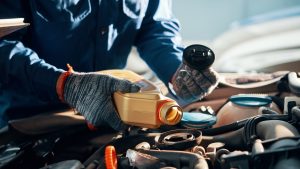
Pull the oil dipstick. This single step tells you more about how a car was actually cared for than almost anything else on this list. Clean oil is amber to light brown. Oil that’s dark, gritty, or has a burnt smell means it’s overdue, or the previous owner wasn’t keeping up with basic maintenance. If you see anything milky or foamy on the dipstick, that can mean coolant is mixing into the oil, which is a sign of a much bigger and more expensive problem. Walk away from that one.
Check the coolant reservoir, brake fluid, and power steering fluid the same way. Cloudy, dark, or low fluid in any of these means the car hasn’t been maintained on schedule.
Look for leaks. Dry is good. Any wet residue around gaskets, hoses, or the underside of the engine is worth pointing out before you negotiate.
Look at the belts. Cracking, fraying, or a belt that looks glazed and shiny means it’s near the end of its life.
Related read: What Type of Oil Should You Use in Your Car? A Complete Guide
Why Oil Condition Tells You More Than the Odometer Does
Low mileage gets marketed hard because it sounds good in a listing. But mileage alone doesn’t tell you how a car was treated. A car with 60,000 careful, well-maintained miles is often in better shape than one with 35,000 miles and a gap in its service history.
Oil condition is the tell. Regular oil changes protect nearly everything else in the engine. A seller who kept up with oil changes on schedule is usually the kind of owner who kept up with everything else too. One who let oil go dark and gritty for tens of thousands of miles was probably skipping other maintenance as well.
Pull the Vehicle History Report, Then Verify It Yourself
A Carfax or AutoCheck report using the VIN will show accident history, title status (clean, salvage, rebuilt), and often a service record that includes when oil changes happened. This is useful. It’s also not the full picture.
Reports rely on shops reporting the work they did. A car serviced at home in someone’s driveway, or at a shop that doesn’t report to Carfax, will show gaps in the history even if the maintenance actually happened. That’s why the report and the physical inspection need to happen together. The dipstick doesn’t lie about what it reports to a database. It just tells you what’s actually in the engine right now.
If the report shows a long stretch with no oil change history and the dipstick backs that up with dark, overdue-looking oil, that’s a real red flag, not a coincidence.
Take It for a Real Test Drive
Not around the block. Get it on a street where you can hit at least 40 mph, and if possible, get it on the freeway for a few minutes.
Listen for anything unusual: knocking, whining, or grinding. Test the brakes firmly, not just a gentle tap. Check that the car tracks straight without pulling to one side, which can signal alignment or suspension issues. Turn the wheel fully in both directions at low speed and listen for clicking, which often points to a CV joint problem.
Red Flags That Mean Walk Away
Some issues are negotiable. Others aren’t worth the risk:
- Milky or foamy oil on the dipstick
- A rebuilt or salvage title with no clear explanation
- Mismatched paint across multiple panels
- A seller who won’t let you get the car inspected or won’t allow a test drive
- A VIN that doesn’t match between the dashboard, the door jamb sticker, and the title
Before You Drive It Home, Get the Fluids Checked Properly
Even if everything checks out, you don’t actually know the exact oil that’s in the engine or exactly how many miles are left on it. That’s true whether you bought from a dealer, a private seller, or a family member.
Oil Buddy in Mesa checks and changes oil in 15 minutes or less, no appointment needed. It’s a fast way to start your ownership of a used car with a clean baseline instead of a guess. If you’re picking up a car anywhere in the East Valley, that includes drivers heading in from Chandler and Gilbert too.
Ready to start your used car off right? Swing by Oil Buddy for a fast oil and fluid check before you put real miles on it. Stay in your car, get it done in 15 minutes, and drive off knowing exactly what’s in your engine.
Frequently Asked Questions About Buying a Used Car
1. What’s the most important thing to check on a used car?
Fluid condition, especially the engine oil, tells you more about how a car was actually maintained than the mileage does. Pair that with a vehicle history report and a real test drive for the full picture.
2. Can I trust a Carfax report on its own?
A Carfax or AutoCheck report is a good starting point, but it only shows service work that was reported to it. Independent shops, at-home oil changes, and cash transactions often don’t show up, so always verify with a physical inspection too.
3. How do I know if the oil hasn’t been changed in a while?
Clean oil is amber to light brown and pours smoothly off the dipstick. Oil that looks dark, gritty, or smells burnt is overdue. Milky or foamy oil is a bigger warning sign and often means coolant is leaking into the engine.
4. Should I get a used car inspected before I buy it, even if it looks fine?
Yes. A visual inspection catches obvious issues, but a professional pre-purchase inspection or a quick fluid check can catch problems that aren’t visible just by looking, especially with engine and transmission fluids.
5. What does uneven tire wear mean on a used car?
It usually points to an alignment or suspension issue. It’s not always a dealbreaker, but it’s a repair cost worth factoring into your offer.
6. Is it normal for a used car to have a gap in its oil change history?
Small gaps happen, especially with private sellers. A long, unexplained gap combined with dark or gritty oil on the dipstick is the combination to watch for.
7. How often should a used car get its first oil change after I buy it?
If you don’t know the exact mileage since the last change, it’s worth getting the oil checked and changed within your first few days of ownership so you’re starting from a known baseline.
8. What should I bring with me to inspect a used car?
A flashlight for checking underneath the car and inside the engine bay, and a notebook or your phone to record what you find so you can compare cars side by side if you’re looking at more than one.
9. Are used cars from private sellers riskier than dealership used cars?
Not necessarily. Private sellers sometimes have better maintenance records because they’ve owned the car longer, but dealership used cars often come with at least a basic inspection. Either way, the same checklist applies.
10. Where can I get a used car’s oil and fluids checked in Mesa, AZ?
Oil Buddy offers drive-thru oil changes in Mesa with no appointment needed, completed in about 15 minutes. It’s a fast way to check and correct fluid levels right after you buy.